
The Burden Of Black Genius
Sly Lives! (The Burden of Black Genius) feels like a love letter written with clear eyes.
The documentary follows Sly Stone from his early days as a musical wonder to the moment he changed everything with Sly and the Family Stone. Watching it, you’re reminded how radical that band really was. Men and women, Black and white, funk colliding with rock, joy sitting right next to defiance. The music didn’t just sound good, it felt like a promise. Like things might actually move forward.
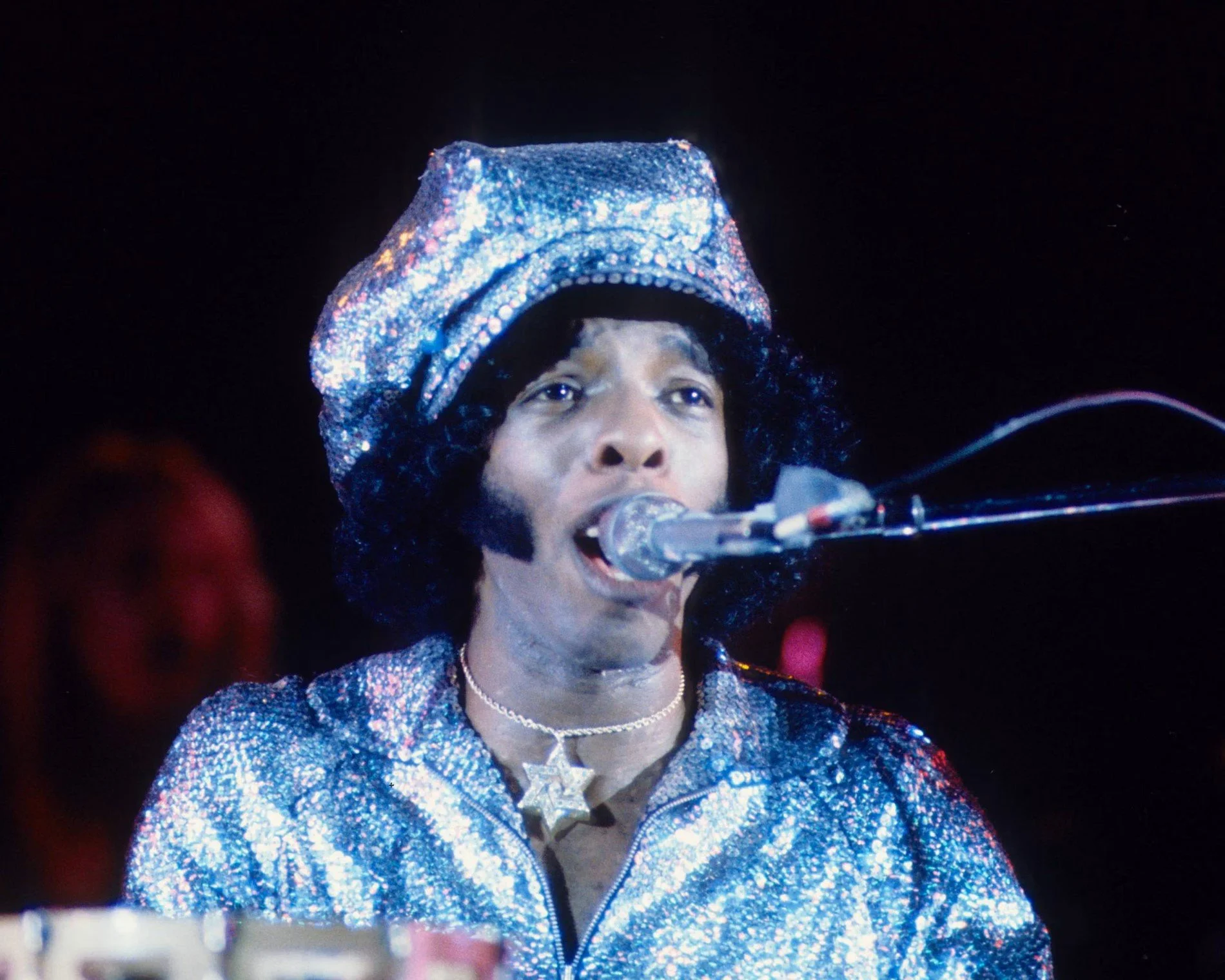
Sly Stone
What makes Sly Lives! hit deeper is that it doesn’t shy away from what came next. As a fan, you don’t just see the legend, you see the weight. The expectations. The pressure of being first, of being brilliant, of being needed to represent more than just yourself. The film shows how Sly’s brilliance lit up the world, but also how that light became hard to live inside.
Rather than judging or mythologising, the documentary asks you to listen. To hear how the industry, the times, and the constant demand for more chipped away at someone who gave so much. It becomes less about the mystery of his disappearance and more about understanding why stepping away might have been the only way to survive.
By the end, Sly Lives! leaves you grateful. Grateful for the music, for the influence you still hear everywhere, and for the reminder that behind every groundbreaking artist is a human being. Sly didn’t just change music. He changed people. And for fans, that connection is still alive, still humming, still impossible to shake.
Whilst it was a must watch for any true fan it also got me thinking about the demands of the industry and my mind ran to D’Angelo
It’s a revealing comparison because Sly Stone and D’Angelo represent two chapters of the same book, written under very different publishing conditions.
The shared burden
Both artists carried the weight of being too important. Each arrived sounding like a correction to music itself. Sly fused genres into a utopian blur during a moment of social rupture. D’Angelo arrived in the 1990s as the conscience of neo-soul, restoring musicianship, sensuality, and Black interiority at a time when R&B was becoming increasingly commodified. In both cases, the industry and the culture responded by asking for more than music: symbols, saviours, spokesmen. That pressure bends time. Output slows ands silence becomes a form of self-preservation.
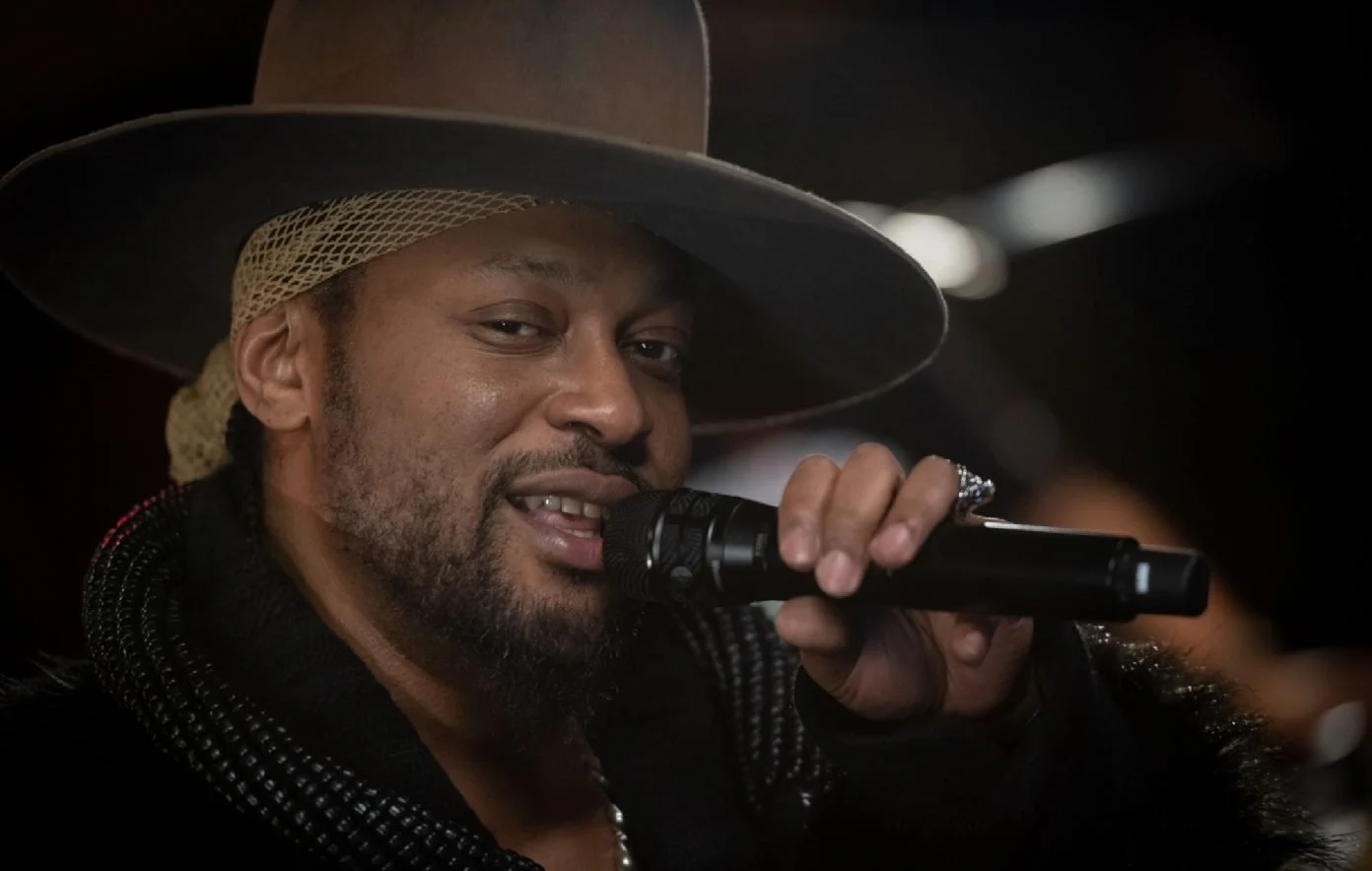
D'Angelo. CREDIT: Shahar Azran/Getty Images
Where Sly’s burden crushed inward
Sly’s era offered almost no language for mental health, addiction, or creative withdrawal. His genius was treated like an infinite resource, and when it faltered, the system simply tightened its grip. Fame arrived fast, protections arrived late, and drugs were framed as fuel rather than warning signs. Sly disappeared under the weight of expectation, exploitation, and a society unprepared to see a Black visionary say “I can’t.”
Where D’Angelo’s burden turned into retreat
D’Angelo watched that history. His silence after Voodoo wasn’t collapse so much as refusal. He stepped away from a machine that sexualised him, simplified him, and demanded replication instead of evolution. Perfectionism, body scrutiny, and the fear of being misunderstood slowed his process to a crawl, but crucially, he retained choice. When Black Messiah arrived, it sounded deliberate, protected, and spiritually intact. Sparse output, but not erasure.
Key difference: survival vs sacrifice
Sly’s story is about what happens when brilliance is extracted until there’s nothing left to protect the person. D’Angelo’s is about setting boundaries, even if that means disappearing for decades. One is a warning flare from the past; the other is a response to that warning.
Same question, different answers
Both stories ask the same thing: What does it cost to be essential?
Sly paid with visibility, stability, and time.
D’Angelo paid with silence and absence.
And in a quiet way, D’Angelo’s three albums across 30 years may be the most radical act of self-preservation in modern soul music.
